Flow in the Mountains
The Connection Between Trail Running and Yoga
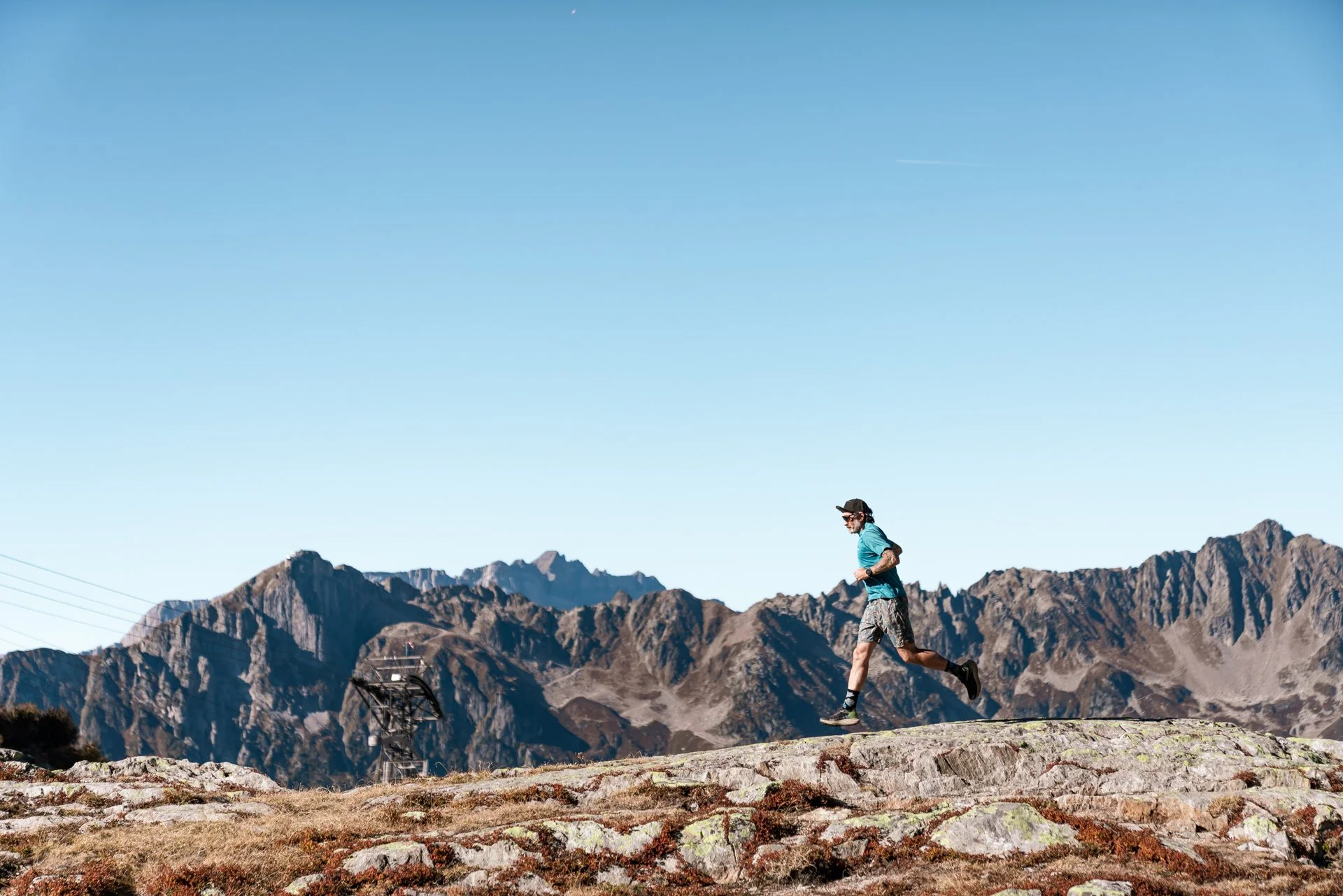
There’s something very unique about moving through mountains on foot. The rhythm of your breath, the strength in each stride, and the vastness of the landscape create a kind of meditation for me. My mind is truly in the moment when it is fully occupied, by concentration. Trail running is more than just exercise; it’s a way to connect deeply with the natural world, and something that I love to do. When you add a yoga practice, it’s like the circle is complete for both your body and mind, and dare I say, even your soul!
Why Trail Running Belongs in the Mountains
Unlike road running, trail running is never just about pace or distance. Every step brings variation: technical rocky trails, loamy forest paths, steep climbs, and flowing descents. These natural challenges demand presence. You can’t drift off and allow the mind to control your thoughts when the terrain is constantly shifting beneath your feet. Or maybe you can, but that’s part of meditation, one moment you are here and now the next you are thinking about a future event. You then bring yourself back to the moment, to you.
The mountains amplify this whole experience. Vast panoramas pull you out of your everyday mind. The air is thinner, fresher, sharper. Moving high in the peaks, you can’t help but feel small and expansive at the same time.
The Yoga Connection
Yoga and trail running might seem worlds apart. One is rooted in stillness, the other in motion. But both share a foundation of breath, balance, and awareness. I discovered trail running about two years before I decided to train as a yoga teacher. It was only when I started to teach yoga that I understood there was such a strong connection.
Yoga trains focus and mobility, helping trail runners stay resilient on technical terrain. Trail running, in turn, deepens the appreciation of yoga. The stillness after movement feels earned, alive. Sports that keep you in the moment, in the flow, can be very meditative. It is this state of mind that I strive for in my yoga practice too.
A post-run yoga practice is especially powerful. Muscles that worked hard on climbs and descents relax and open up again. The sympathetic nervous system, stirred by adrenaline and effort, settles into the parasympathetic and calms you down. Even a simple 10-minute sequence can transform recovery and keep the body moving smoothly for days.
The Mental Flow
Both yoga and trail running cultivate presence. On the trail, losing your footing can send you into a fall, so your attention naturally focusses on the here and now.
In yoga, focus drifts inward, guided by the rise and fall of each breath. Together, these practices remind us that presence is not a lofty ideal but a lived experience, found in the connection with the trail underfoot, the cadence of your legs, the pause to catch your breath on a mountain pass.
A Retreat into Nature
Imagine beginning the day with yoga under alpine skies, followed by a run through pine forests and across lofty ridgelines. Lunch by a lake. An afternoon sleep. Evening yoga and meditation as the sun is setting. Wow that does sound pretty good!
Our running and yoga retreats weave together movement, stillness, effort, and restoration in a rhythm that feels both grounding and expansive.
It’s in this balance - sweat and serenity, endurance and release - that trail running and yoga reveal their shared essence of freedom.
Best Yoga Poses for Trail Runners
Even 10–15 minutes of yoga after a run can make a huge difference. Some essential poses include:
Downward Dog (Adho Mukha Svanasana): Stretches hamstrings and calves.
Low Lunge (Anjaneyasana): Opens hips tight from climbing.
Pigeon Pose (Eka Pada Rajakapotasana): Releases tension in glutes and piriformis.
Seated Forward Fold (Paschimottanasana): Lengthens the spine and hamstrings.
Supine Twist (Supta Matsyendrasana): Eases the lower back after descents.
Tip: Please remember to warm up first and cool down at the end. The poses should be done as part of an overall yoga practice, not just in isolation. Focus on slow breathing while holding each pose. This helps muscles release and speeds recovery.